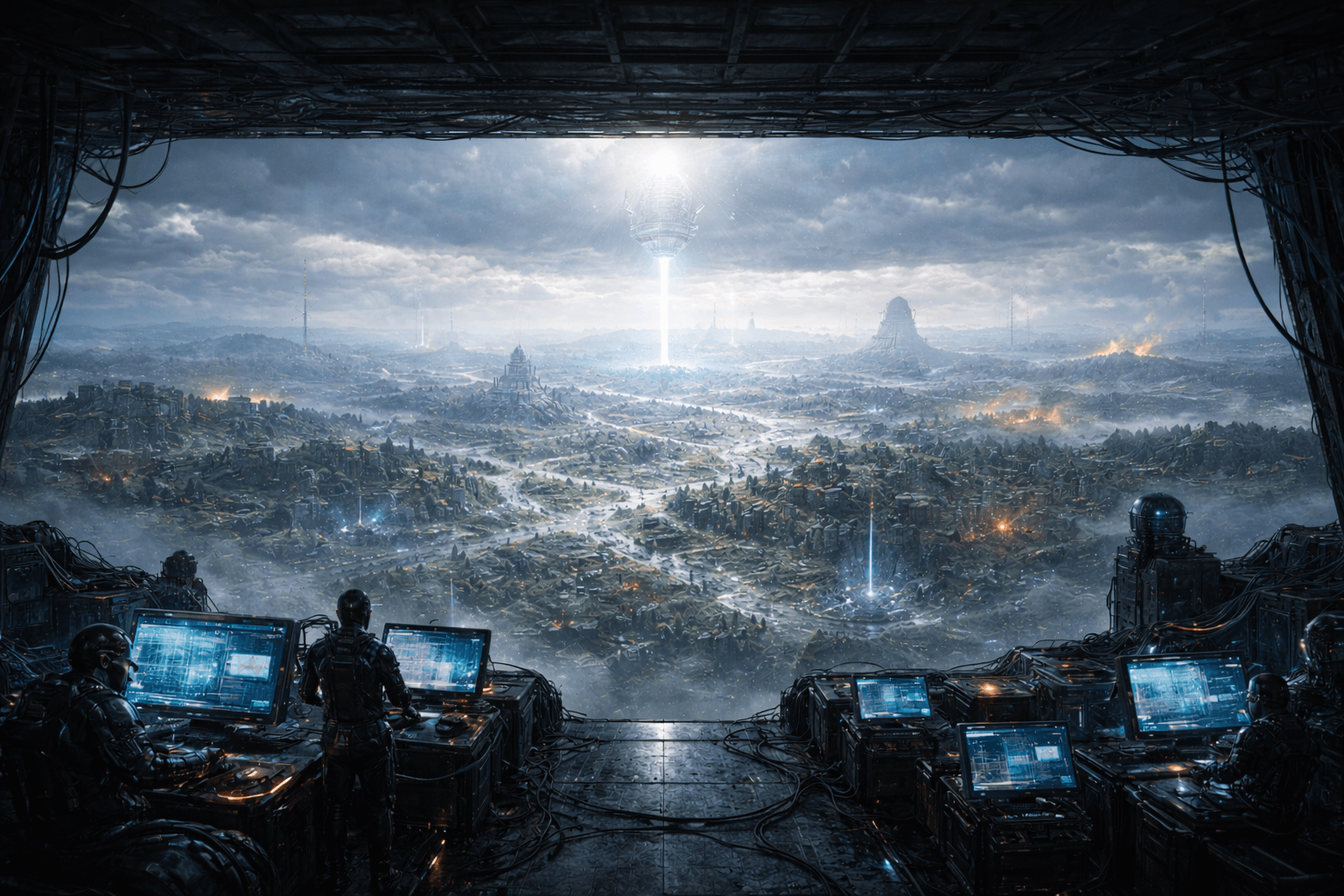
Sector 0 is the hidden core behind the façade — a zone with no official status, erased from maps and kept alive only through improvisation, fear, and brutal adaptation. Here, infrastructure is fragmented, technology is endlessly repurposed, and neon is not decoration but a warning. The sector functions as a buffer between controlled districts and the total chaos beyond — a place where failed experiments, discarded systems, and abandoned subjects are given a second, unstable purpose. Every street is a layered record of collapses, uprisings, and illegal networks that continue to function despite everything.
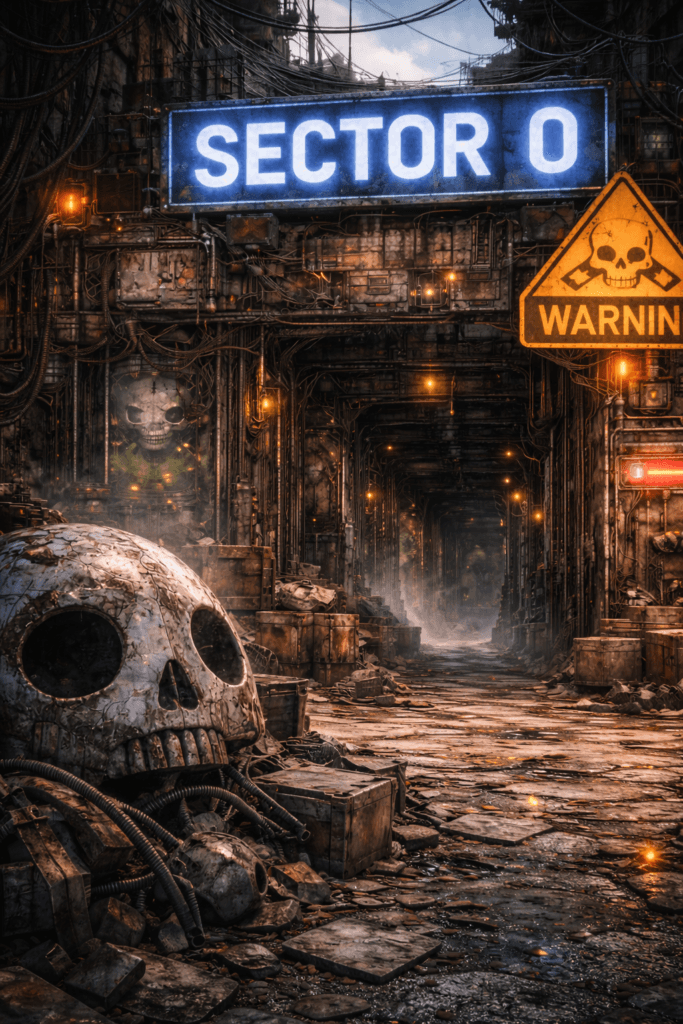
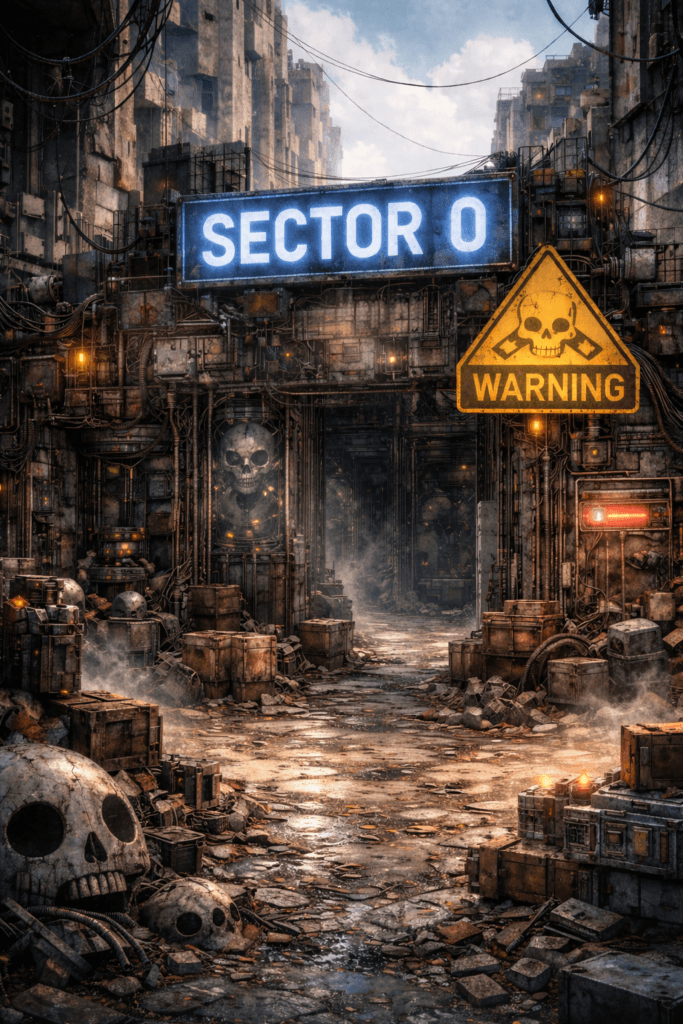
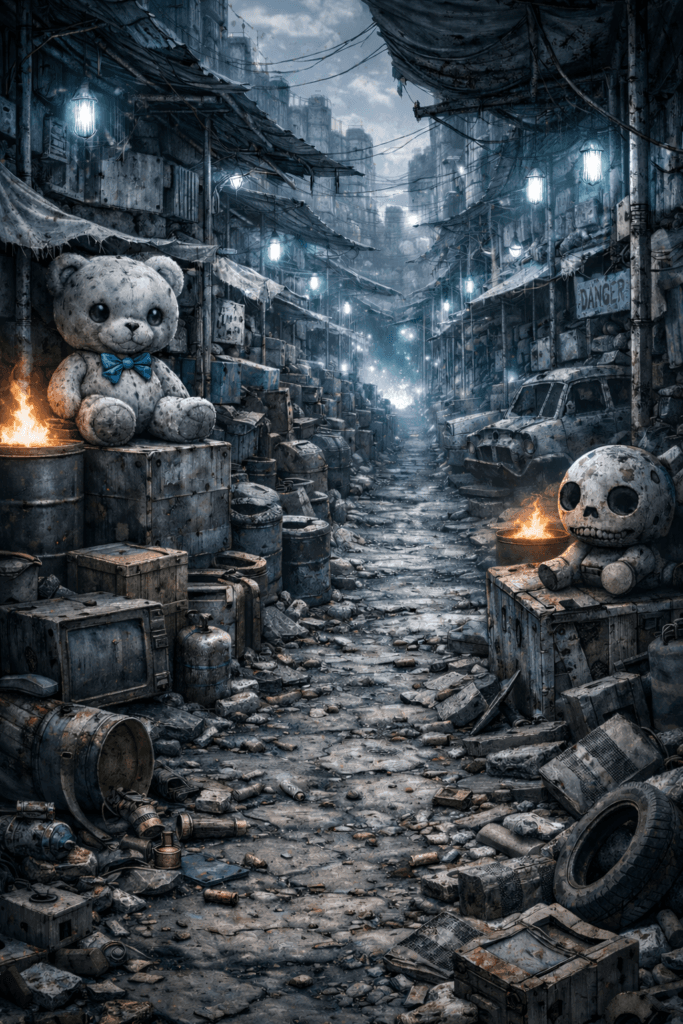
Social order in Sector 0 is not enforced — it is earned. Factions, independent operators, and “Subjects” coexist in a fragile equilibrium where information is more valuable than weapons and reputation is a form of currency. This is where legends are born and names are buried. Sector 0 offers no salvation, but it does offer opportunity — for those who can survive long enough to take it.
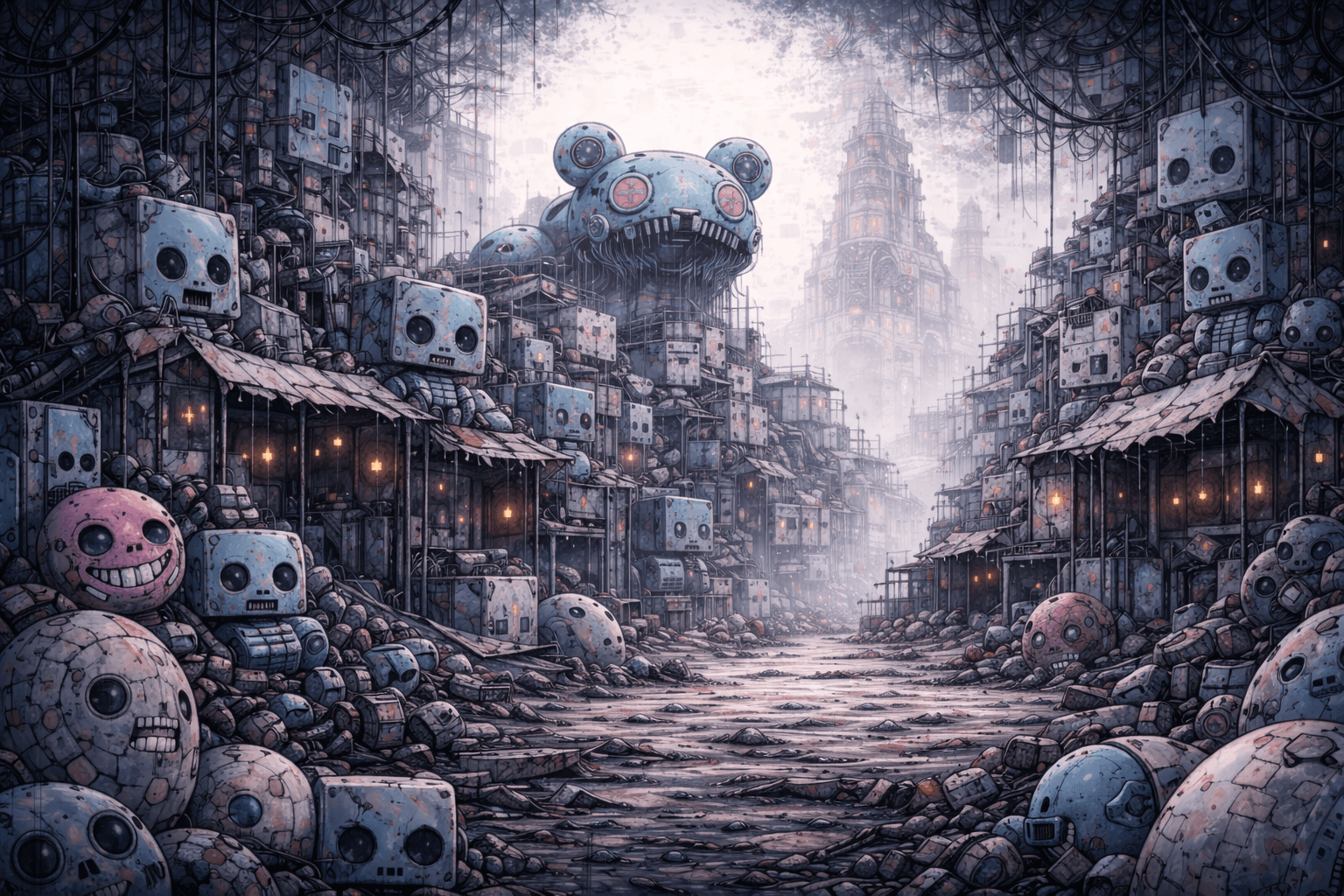

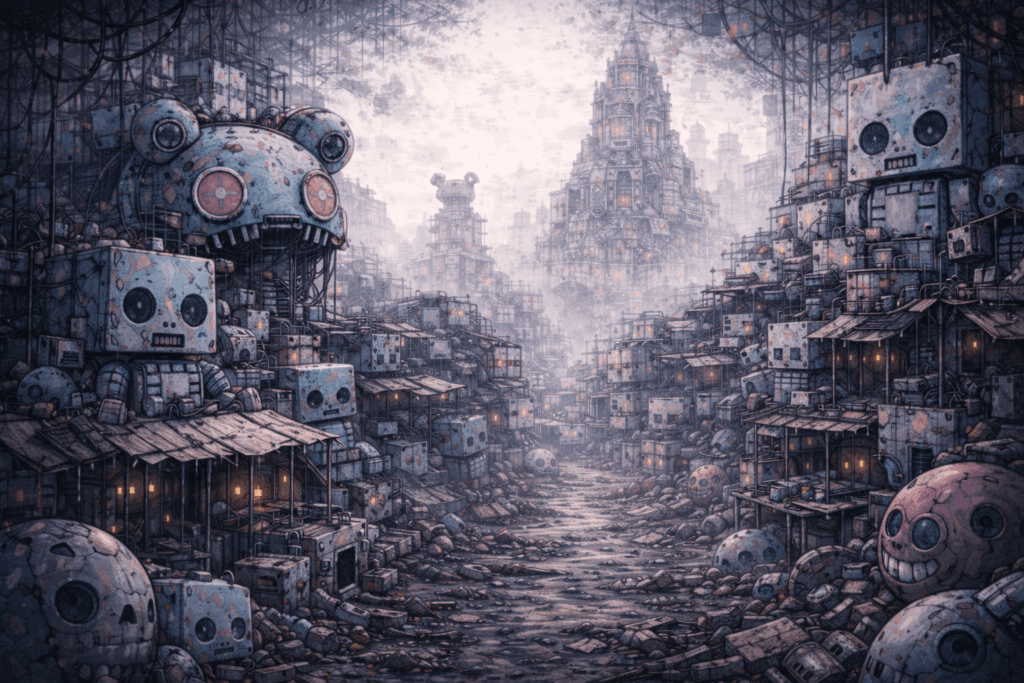
Beyond its streets, Sector 0 operates as a living system rather than a location. Power grids are unstable and often controlled by whoever can hold them, data flows through black-market relays, and surveillance is fragmented, unreliable, or deliberately falsified. Nothing here is fully offline, yet nothing is truly secure. The environment itself rewards adaptability — those who rely on rigid doctrine or centralized command rarely last. Every structure, alliance, and rule exists only as long as it remains useful.
For the organizations watching from the outside, Sector 0 is both a liability and a necessity. It is a testing ground for new doctrines, technologies, and operators who would never survive under regulated conditions. Subjects like Lume, Blood, Bonnie, and Su are not anomalies here — they are products of the sector’s pressure. Sector 0 does not create heroes or villains; it creates survivors. And once someone has learned to function within it, the rest of the world feels slow, fragile, and dangerously predictable.