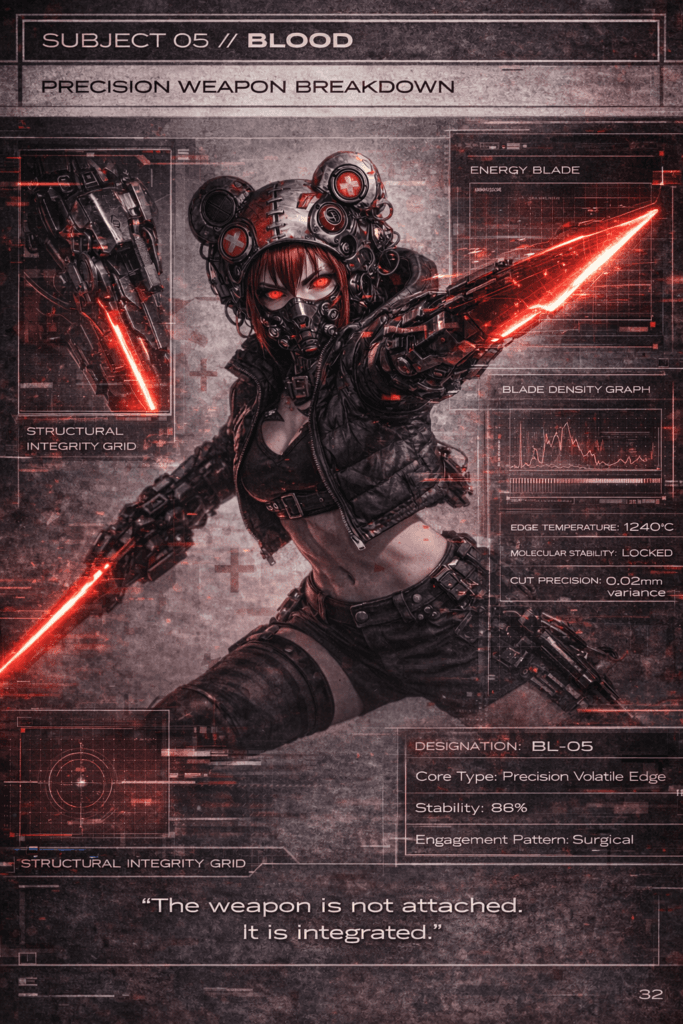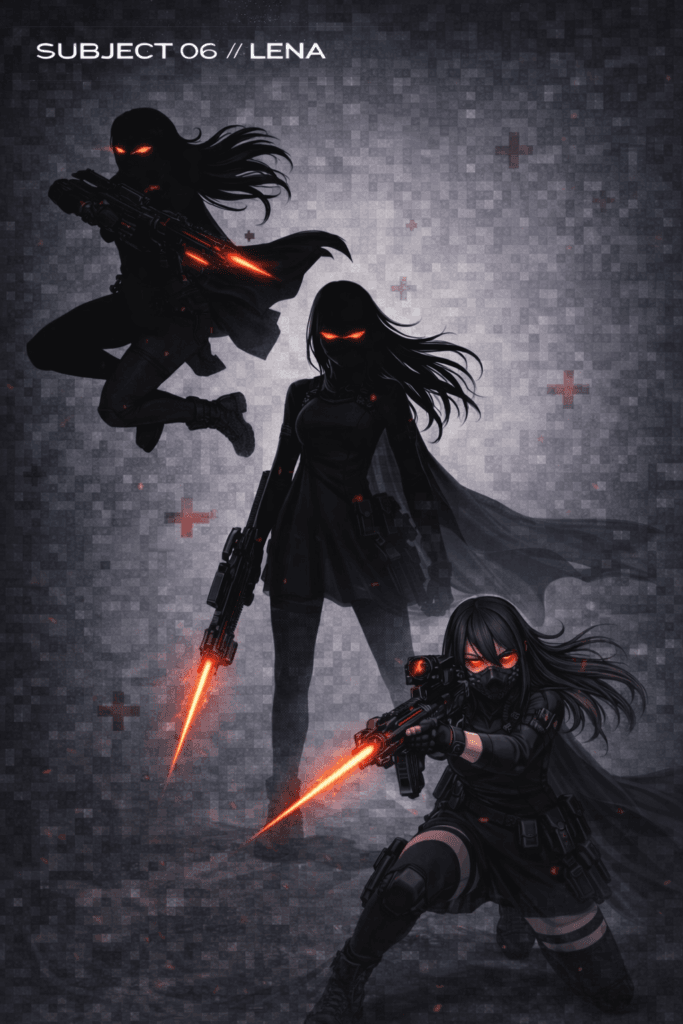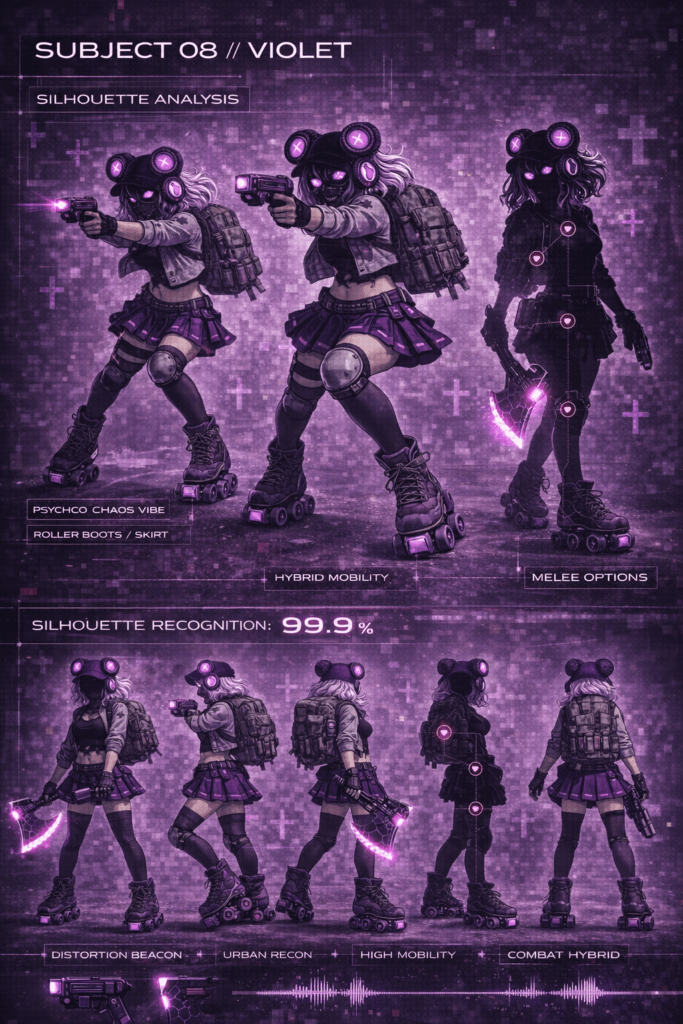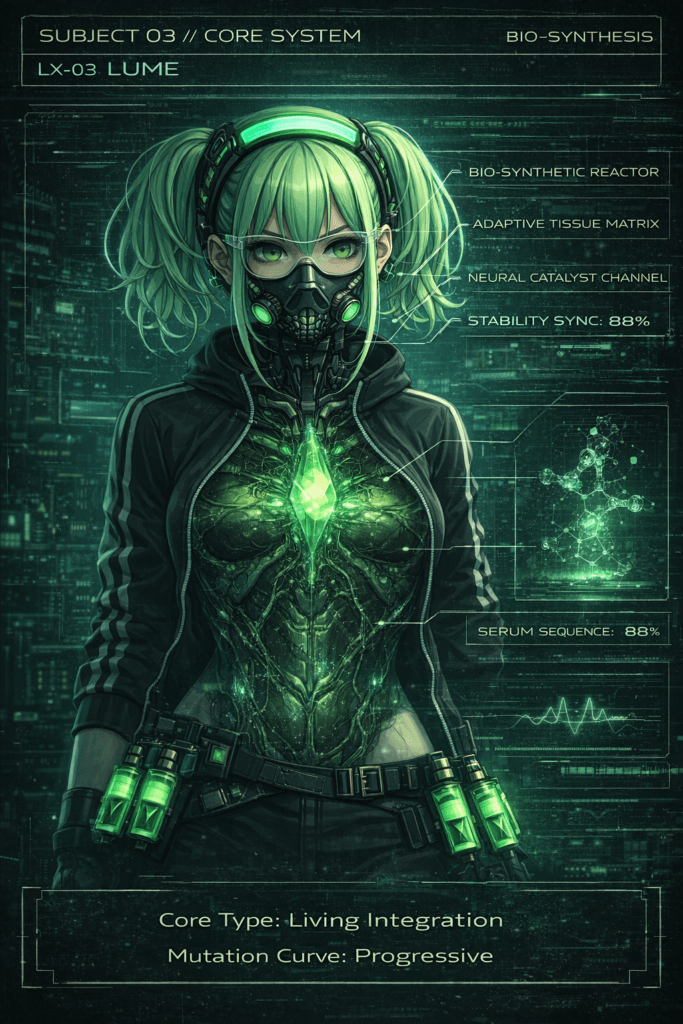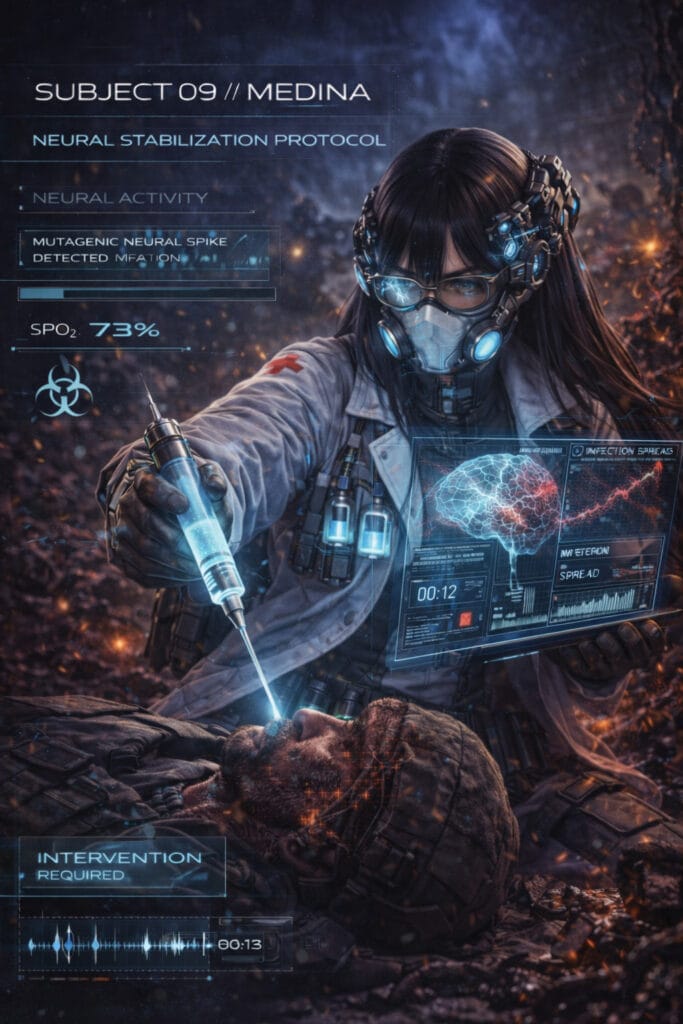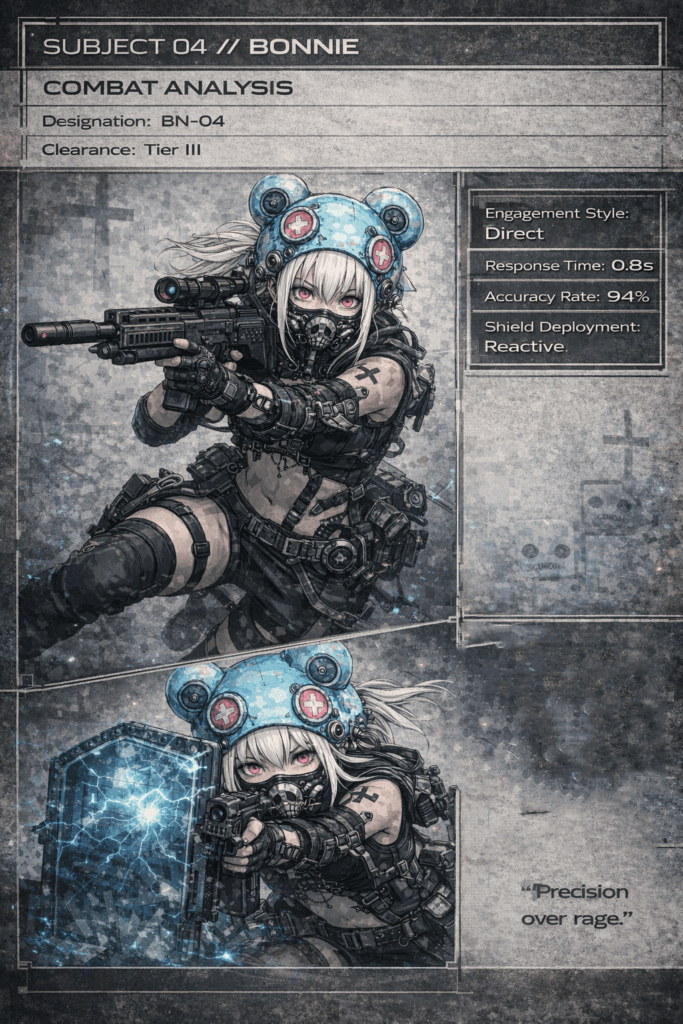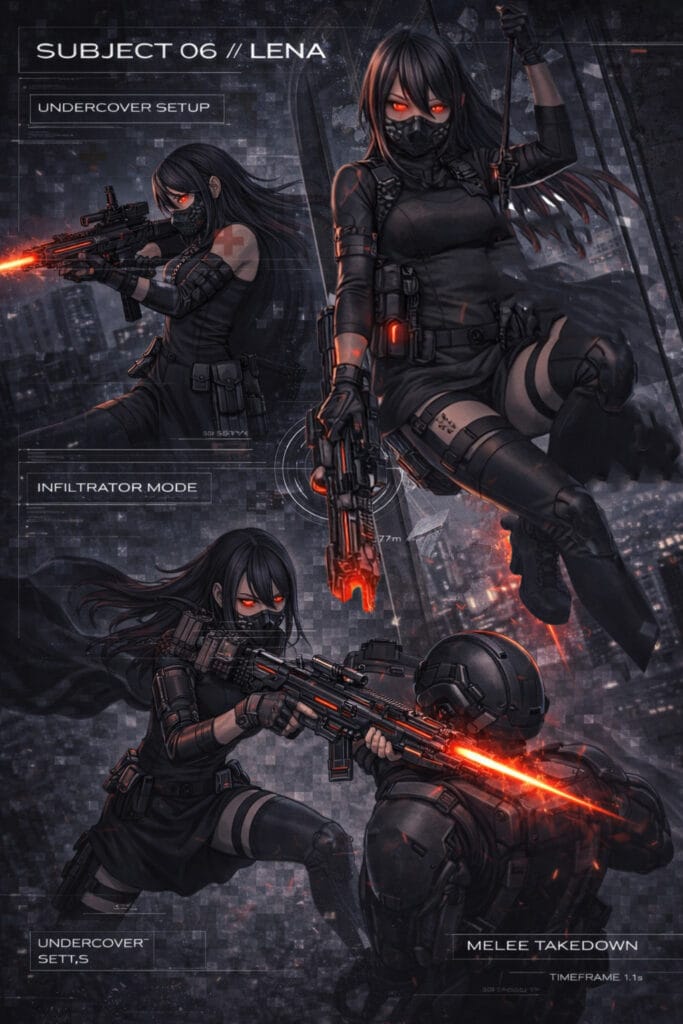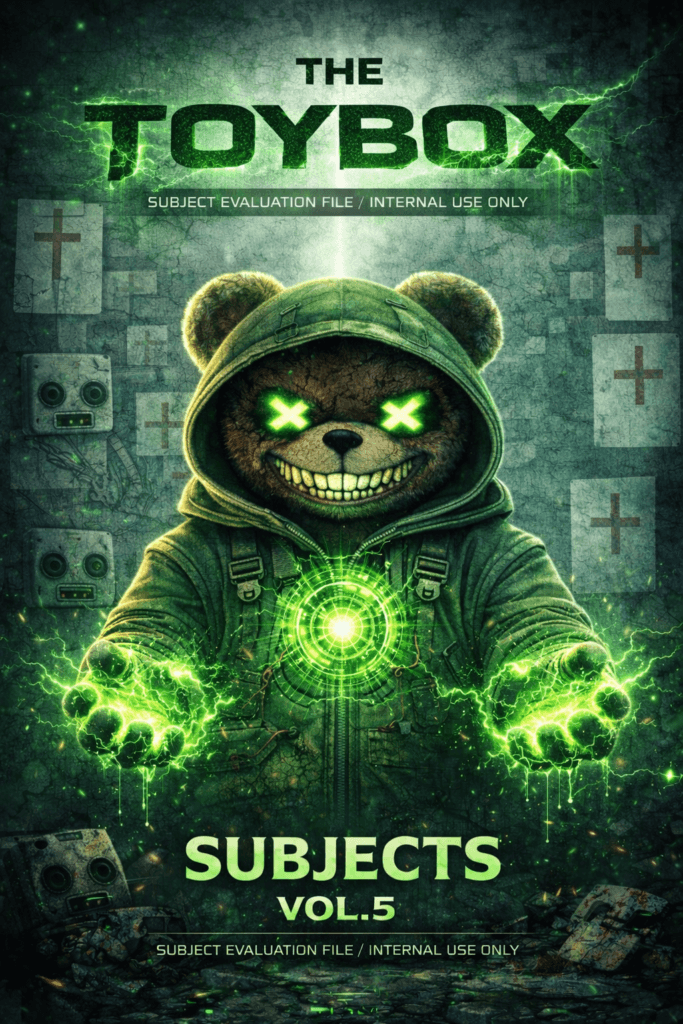
Vol.5: Subjects is a quiet descent into the human core of The Toybox universe. This volume steps away from spectacle and focuses instead on the individuals who were labeled, monitored, tested, and archived long before they understood what they were becoming. It is not a story told through action, but through documentation—through fragments of psychological evaluations, resonance scans, containment notes, and internal reports that slowly reveal something far more unsettling than any anomaly.
The volume explores the idea of classification. Each person presented here is reduced to a designation, a file number, a status marker. They are not introduced as heroes or antagonists. They are introduced as variables. Some awakened through trauma, some were altered by relic exposure, some were engineered under controlled conditions, and others were born carrying unstable resonance signatures. But the system observing them does not care about origin stories. It cares about thresholds—about the moment a subject crosses from ordinary into dangerous.
As the pages unfold, the reader begins to sense cracks within the archive itself. Marginal notes contradict official assessments. Data overlays glitch. Certain files appear partially redacted, while others contain comments that were never meant to be seen. The tone is clinical and detached, yet beneath it there is a growing sense that something inside the organization is failing. Or perhaps resisting.
Visually, Subjects leans into stark contrast and restraint. Portrait-driven compositions dominate the spreads, often interrupted by scanning lines, waveform diagrams, and faint typographic interference. Energy cores appear faintly beneath skin in some profiles, subtle but impossible to ignore. Silence plays a major role—large areas of negative space amplify the weight of each recorded observation. The design feels like standing in a dim archive room illuminated only by terminal screens.
The deeper the reader moves into the volume, the more unsettling the central idea becomes: the anomalies were never the only threat. The act of observing, labeling, and containing may be just as dangerous. Some subjects evolve beyond their files. Others disappear from the records entirely. And one classification appears repeatedly without explanation—“Untracked.”
Vol.5 expands the mythology of The Toybox by turning inward. It questions authority, surveillance, and identity. It asks whether a person defined by data can ever reclaim their own narrative. By the final pages, the archive no longer feels stable. It feels aware. And the distinction between subject and observer begins to blur.
Subjects is not about power. It is about what happens when humanity is reduced to a line of code—and what survives anyway.