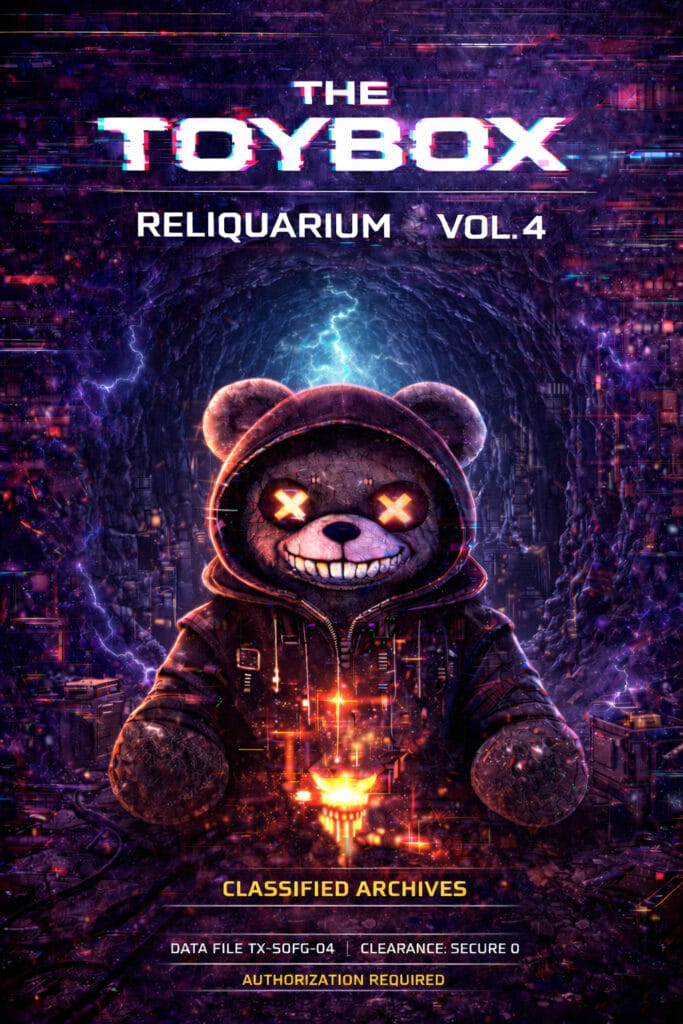
The Toybox vol.4
Reliquarium Vol.4 is an archival book from the world of The Toybox dedicated entirely to relics—objects with unknown origin, unclear function, and uncertain intent. It is not a fantasy bestiary and not a scientific encyclopedia. It is a catalog of things that should not exist, yet have been discovered, documented, and contained.
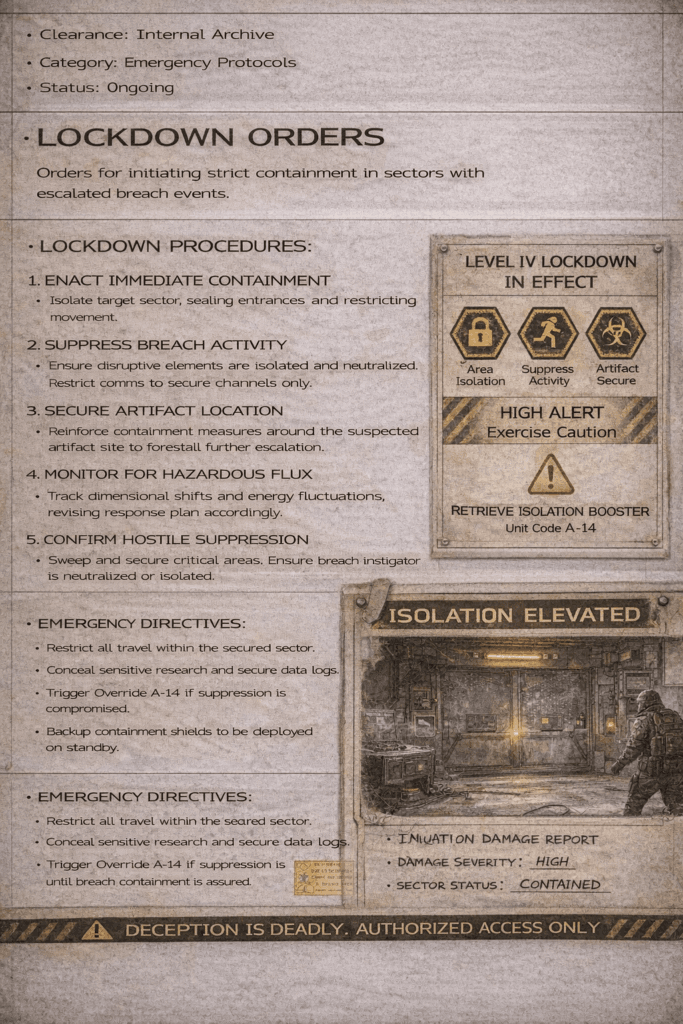
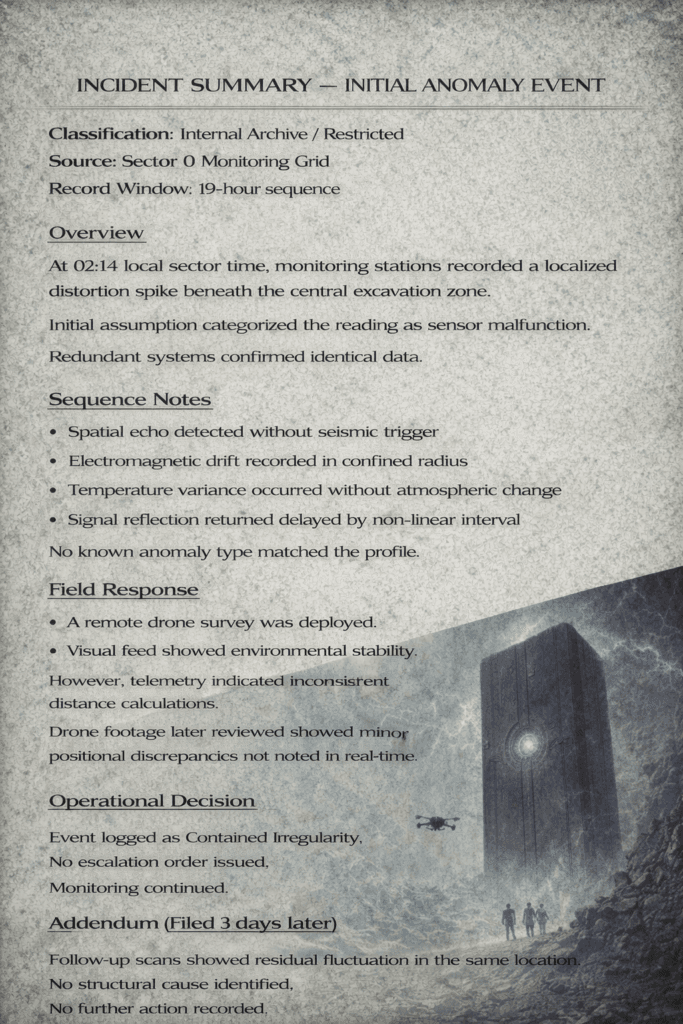
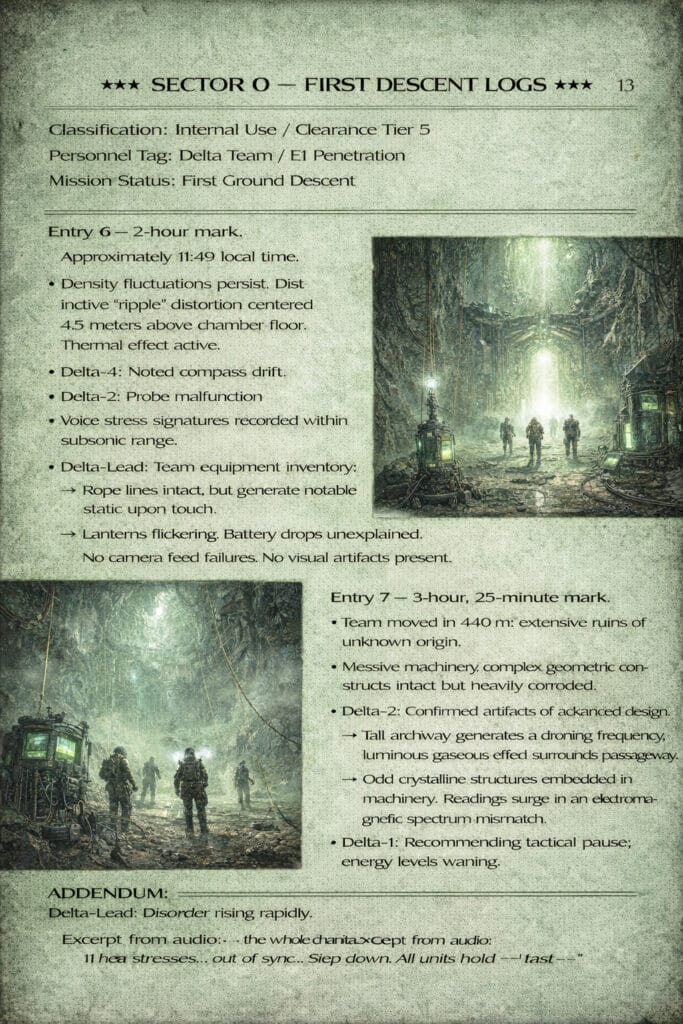
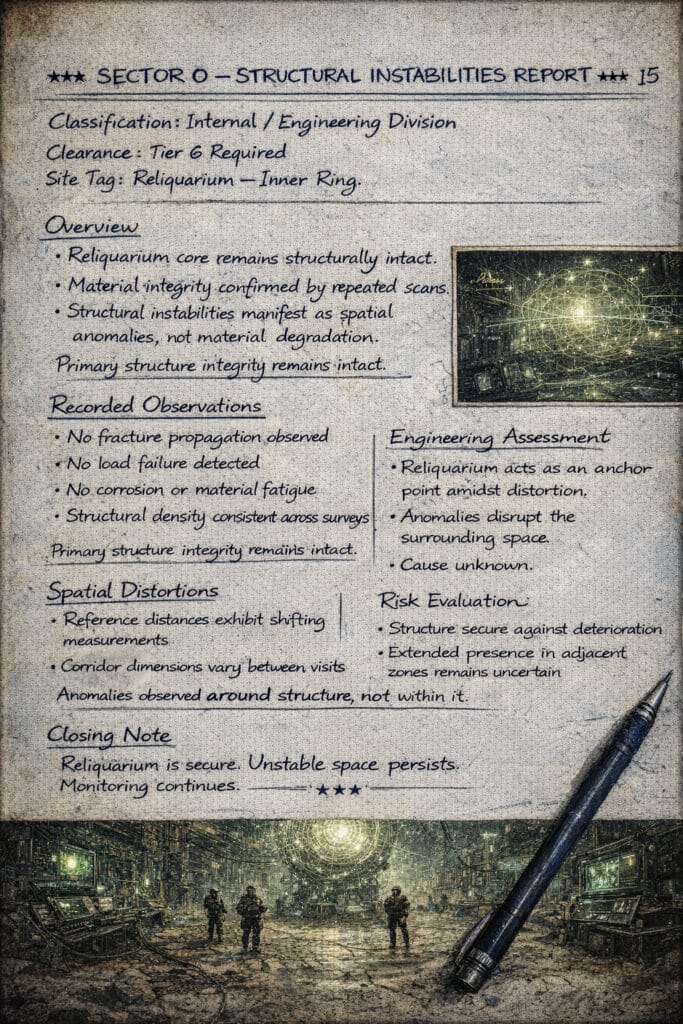
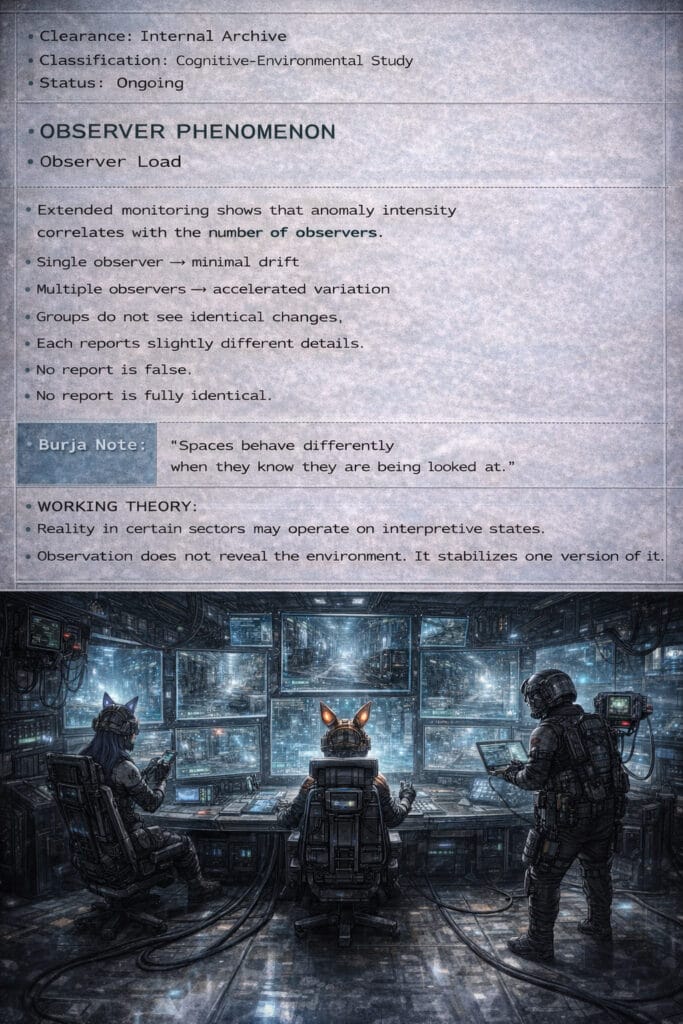
The book presents relics as they would appear in a restricted operational archive, through records, observation notes, incident fragments, and handling protocols. Each page feels like a recovered file rather than a traditional book layout, as if the reader has gained access to material that was never meant for public circulation.
Reliquarium Vol.4 functions as a visual and narrative archive. It blends the qualities of an art book, a fictional dossier, and a science-fiction lore document. The design language suggests institutional documentation—classification tags, containment statuses, and technical remarks—yet the information is always incomplete. The reader is never given full explanations. Instead, they are given fragments that hint at a larger reality.
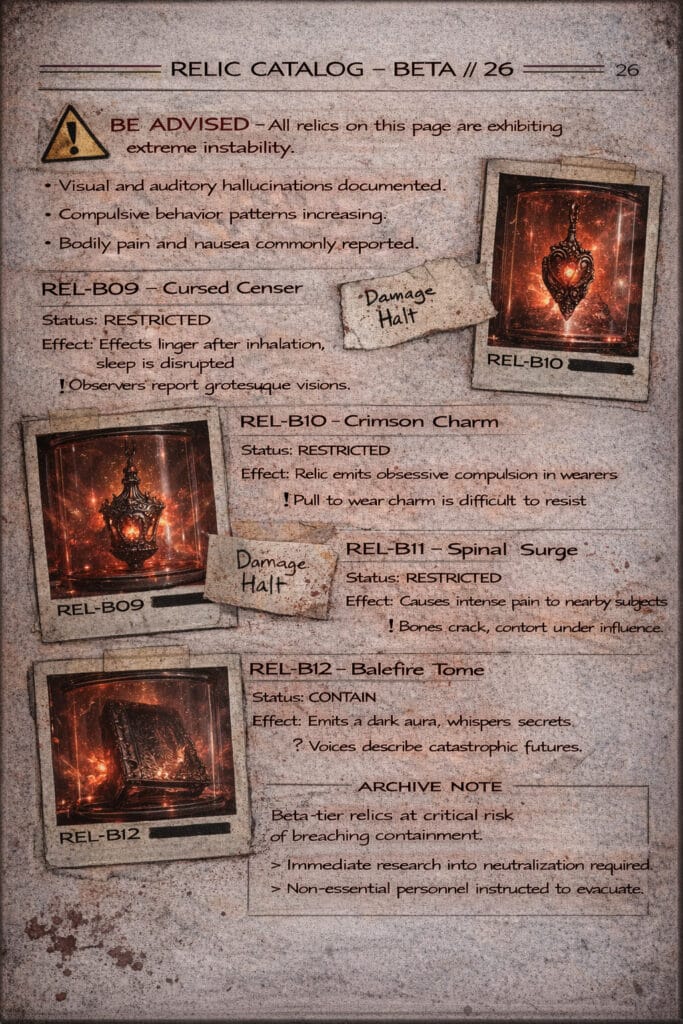
At its core, the book contains a curated catalog of relics. Each object is presented as a documented anomaly with recorded effects, containment notes, and observational commentary. Some relics resemble technology that does not match any known system. Others appear organic or geological but behave in impossible ways. A few look ordinary at first glance, only to reveal subtle inconsistencies that challenge perception and memory.
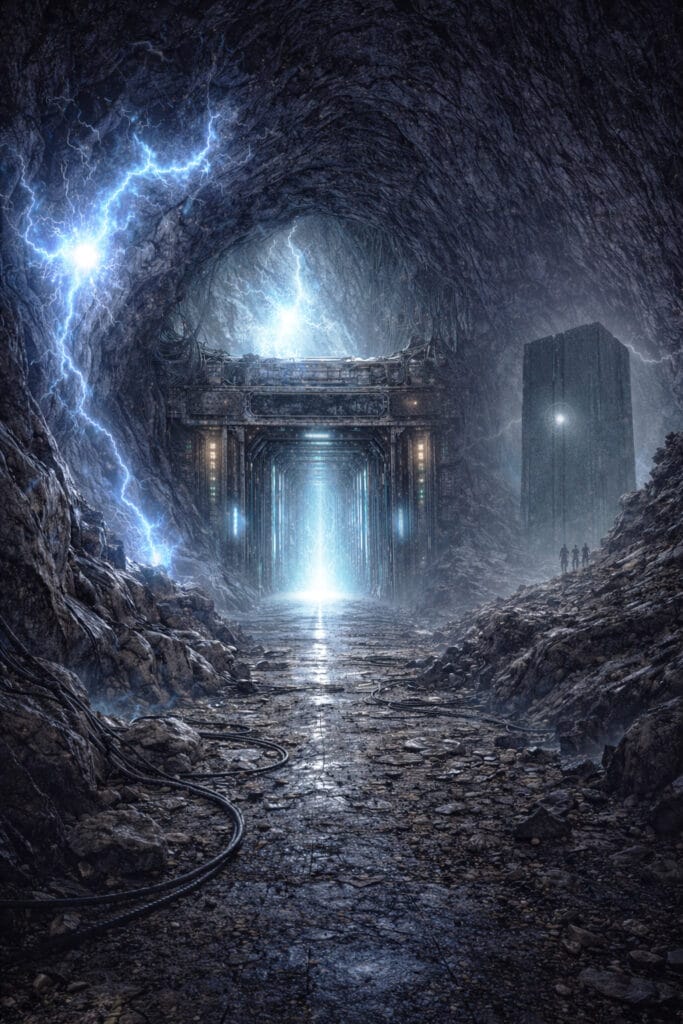
Every relic is accompanied by a visual record. These images are not framed as illustrations but as documentation—like archive photography or scan captures. The intention is to create the impression that these objects are physically stored somewhere, observed by operators, and handled under protocol. This gives the book a grounded, believable tone despite its speculative nature.
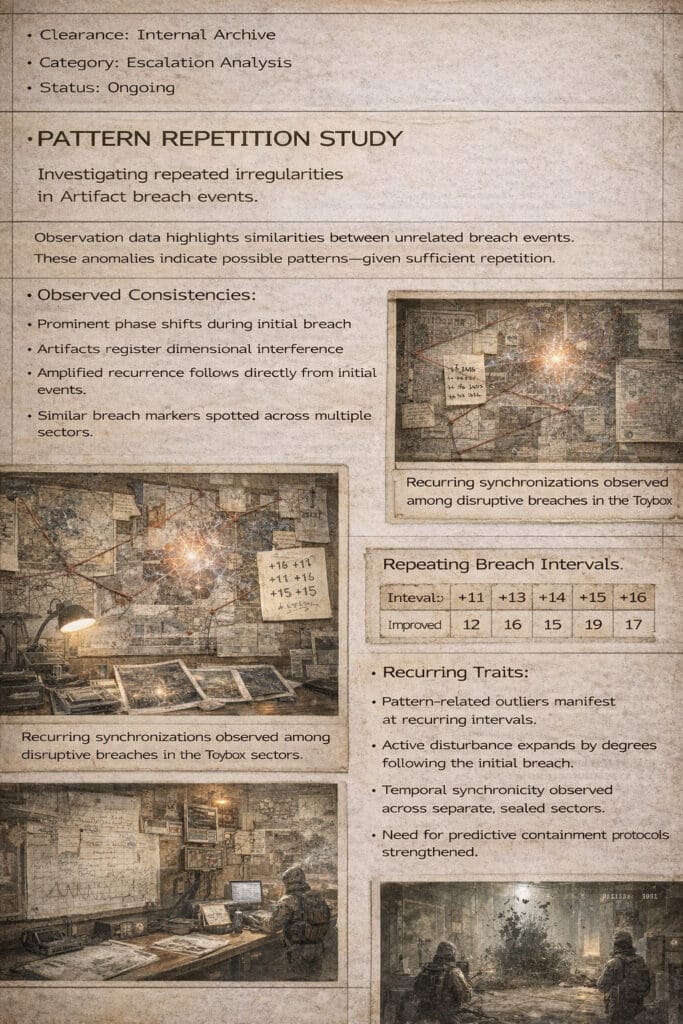
A classification system runs throughout the volume, organizing relics by behavior and risk. This structure gives the world internal logic and reinforces the feeling that an unseen organization is studying and managing these objects. The system implies long-term research, prior incidents, and accumulated knowledge, even when the details remain obscured.
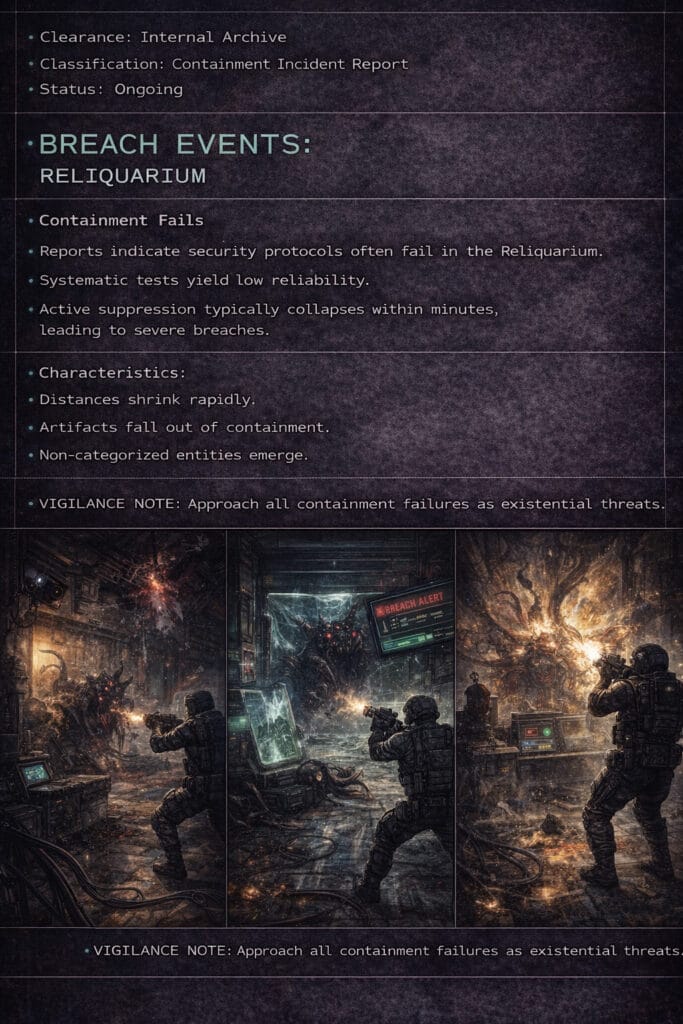
Small archival notes and warnings appear across the pages, suggesting past failures, containment breaches, and unresolved cases. These fragments quietly build the larger mythology of the Toybox universe. The reader begins to sense that every relic is part of a wider network of anomalies, and that the archive itself may be incomplete.
What makes Reliquarium Vol.4 compelling is its refusal to over-explain. Mystery is preserved rather than solved. The book invites interpretation and curiosity, encouraging the reader to connect clues and imagine the unseen systems behind the records. It feels less like a story being told and more like a reality being glimpsed.
The experience of reading the book is immersive but non-linear. It does not demand to be read front to back. It can be opened at any page, like browsing a restricted archive. Each entry stands on its own while still contributing to the larger atmosphere.
Reliquarium Vol.4 also acts as a gateway into the broader Toybox world. It raises quiet questions about who collects these relics, why they are preserved, what kind of world allows such objects to exist, and what remains undiscovered. The absence of clear answers is intentional. The unknown is part of the design.
This volume is especially appealing to readers who enjoy science fiction, atmospheric worldbuilding, and concept-driven art. It speaks to those who appreciate subtle storytelling and speculative design. It is equally suited for collectors of art books, creators looking for inspiration, and fans of mysterious fictional archives.
Unlike other Toybox volumes that focus on characters, locations, or narrative sequences, Vol.4 is entirely object-focused. It is a museum of anomalies. A record of things observed but not understood. A reminder that documentation does not equal control.
The overall tone of Reliquarium Vol.4 is somewhere between an archive, a warning, and a puzzle. It feels like a book that escaped containment rather than a book that was published. The reader does not simply learn about relics—they encounter them through documentation.
In that sense, Reliquarium Vol.4 is less a story and more an artifact in itself.
You can purchase it here: https://gosho084.itch.io/thetoybox-reliquarium