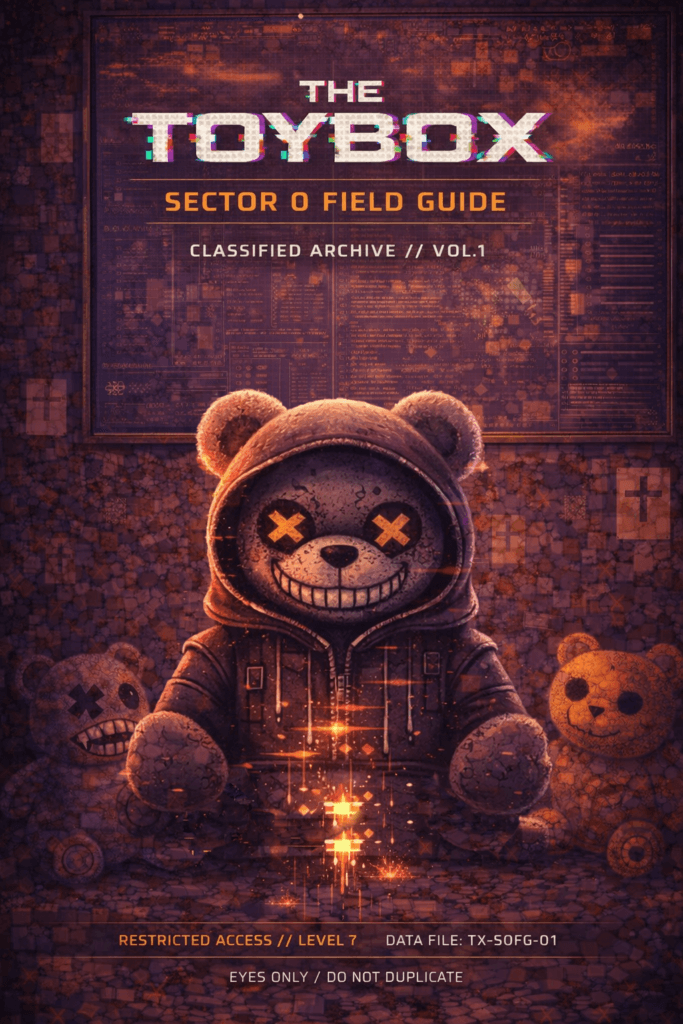
Volume I marks the formal opening of The Toybox universe — the point where fragments become patterns, and isolated incidents begin to suggest a larger system at work. Rather than presenting a single linear story, this volume functions as a recovered archive: a collection of logs, visuals, subject records, and environmental snapshots that together outline the early state of a world under quiet strain.
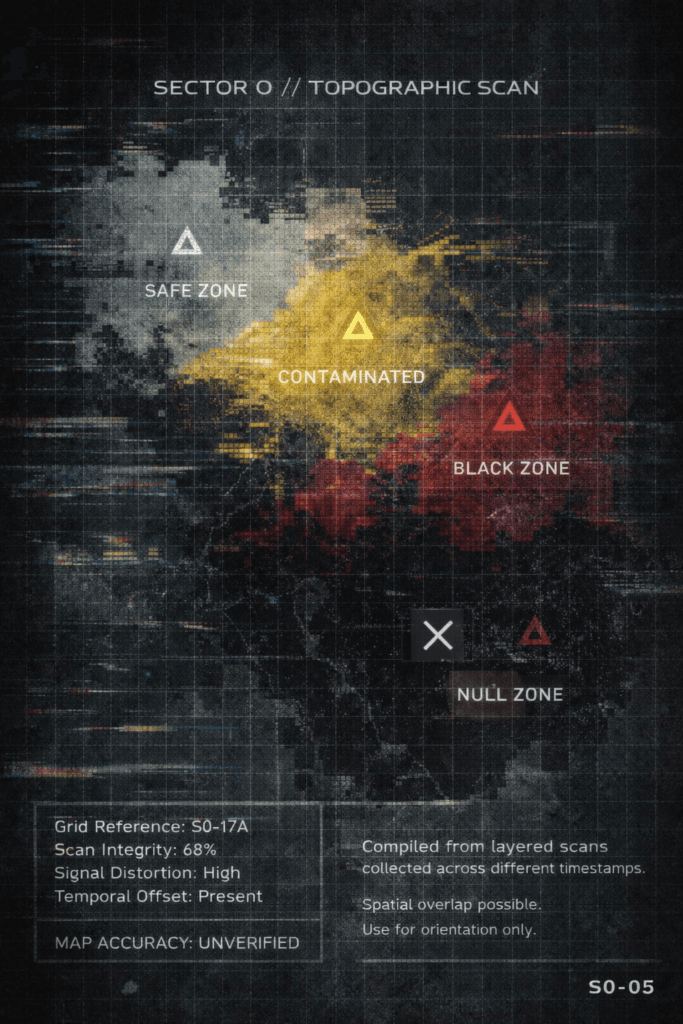
At its core, Volume I is about discovery. Observers, operators, and unknown entities encounter anomalies that do not yet have clear explanations. Zones shift subtly. Signals appear without origin. Structures behave in ways that contradict their intended design. Nothing is openly catastrophic, yet nothing feels stable. This tension defines the tone of the first volume — controlled, investigative, and slightly clinical, as if reality is being documented before it fully reveals its rules.
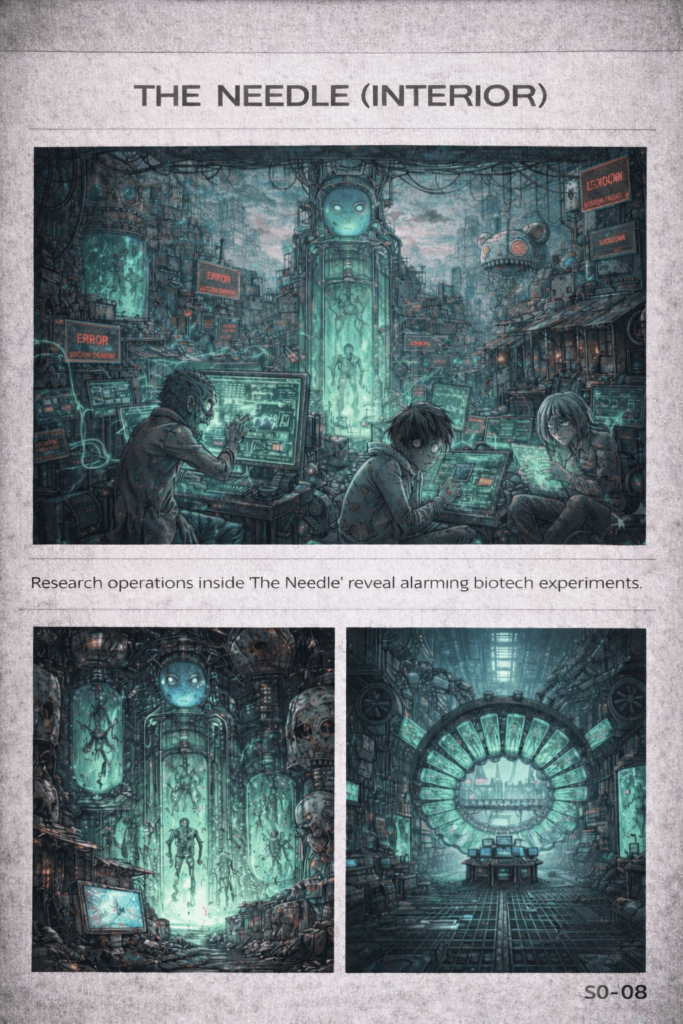
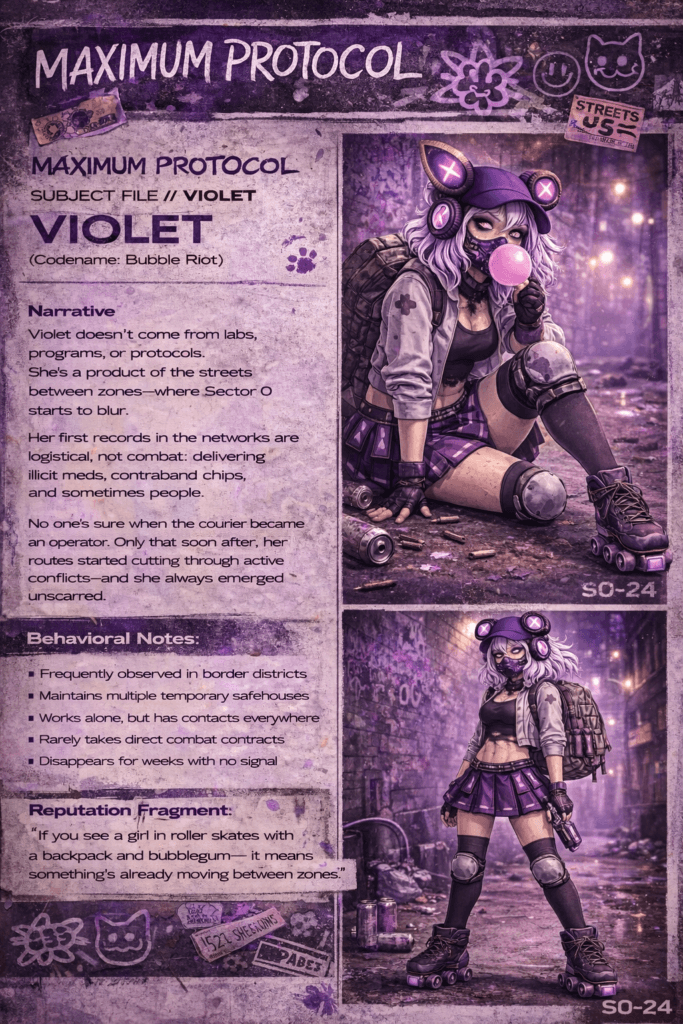
Visually, Volume I establishes the aesthetic language of The Toybox. Stark contrasts, muted palettes, and selective bursts of color are used to guide attention and imply meaning. Technology and decay coexist. Clean interface elements frame scenes that feel anything but safe. The imagery is not just decorative; it acts as evidence. Each illustration is treated like a captured moment from an ongoing operation or a recorded glimpse into a monitored sector.
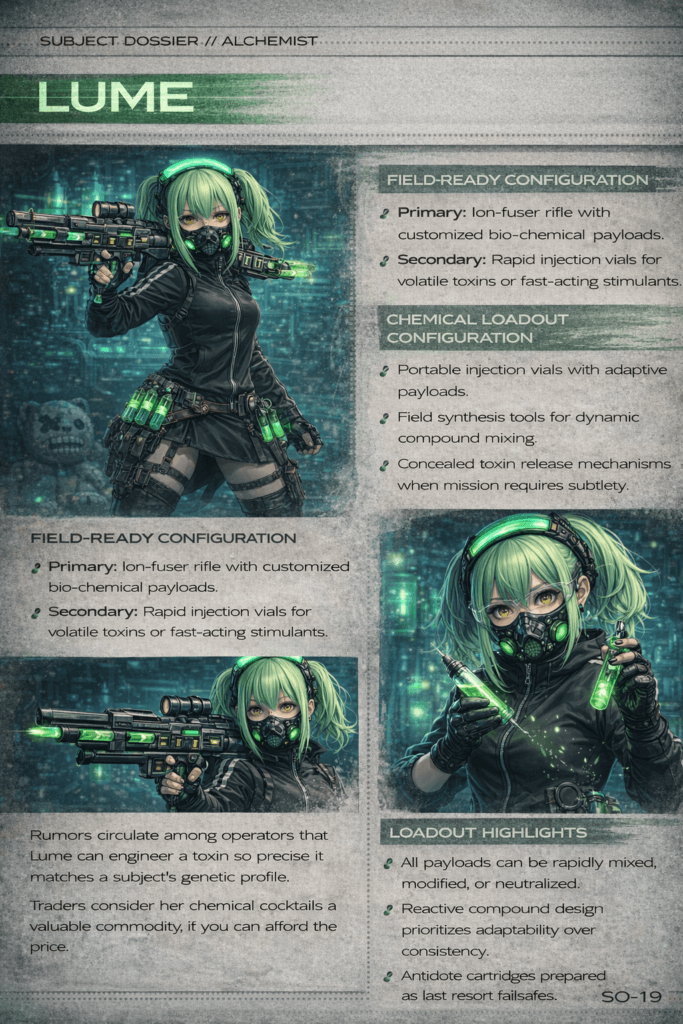
Narratively, the volume introduces key concepts without over-explaining them. The idea of sectors, containment logic, and categorized subjects begins here. Readers are invited to observe rather than to be told. Small details — repeated symbols, familiar silhouettes, recurring terminology — reward careful attention. The world does not announce its secrets; it lets them accumulate.
Volume I also serves as the foundation for later escalation. Many elements that appear minor in this installment gain significance in future volumes. Early anomalies become precedents. Background details evolve into major threads. Because of this, Volume I is intentionally layered. A first pass offers atmosphere and intrigue; a deeper reading reveals structure and intent.
From a creative standpoint, this volume represents the experimental phase of the project. Styles are explored, formats are tested, and the balance between art and lore is shaped. It captures the moment when The Toybox shifts from a loose concept into a defined universe. The rough edges are part of its identity — they reflect a world still forming and a system still calibrating itself.
For new readers, Volume I is the ideal entry point. It does not require prior knowledge, only curiosity. It asks the audience to look, compare, and question. Why do certain patterns repeat? Why are some records incomplete? Why do classifications change? These questions are intentional; they mirror the perspective of the in-world observers themselves.
Ultimately, Volume I is about the beginning of awareness. Something is happening across the monitored spaces of The Toybox, and this volume is the first organized attempt to document it. The tone is restrained but uneasy, methodical but suspicious. It is the calm phase before escalation — the moment when the system still believes it can understand what it is seeing.
And in hindsight, that belief may be the most fragile element of all.





You can purchase it here: https://gosho084.itch.io/thetoybox